
Recovery used to be something people associated with professional athletes, clinics, or high-performance training centers. Today the conversation is shifting. Many people are building home recovery routines that support sleep, relaxation, and daily stress management.
The idea is simple: small, consistent recovery practices at home can help the body transition out of a constant stress mode and into a calmer state that supports better rest and restoration.
Instead of intense interventions, most home recovery routines begin with mild, accessible technologies designed for daily use.
Why Home Recovery Matters?
Modern life keeps the nervous system active for long stretches of time. Work, screens, training, and constant stimulation create a cycle where the body rarely shifts into a true recovery state.
A structured recovery routine at home creates a simple daily signal that the body can slow down. Over time this can support:
- deeper sleep routines
- relaxation before bedtime
- muscle recovery after long days or workouts
- better transition between work and rest
Many people integrate recovery technologies into their evening wind-down routine, especially when the goal is to improve sleep quality.
Starting With Gentle Recovery Modes
When introducing recovery technology into a home routine, the best approach usually begins with soft, gradual settings rather than intense protocols. Gentle modes help the body adapt to stimulation in a predictable way. This is particularly important for people using recovery tools before sleep or relaxation sessions.
Typical beginner routines include:
- short daily sessions
- mild stimulation levels
- consistent timing in the evening
- integration with breathing, stretching, or meditation
Over time, routines become easier to maintain because the body associates the practice with a shift toward rest.
Recovery Technology Designed for Home Spaces
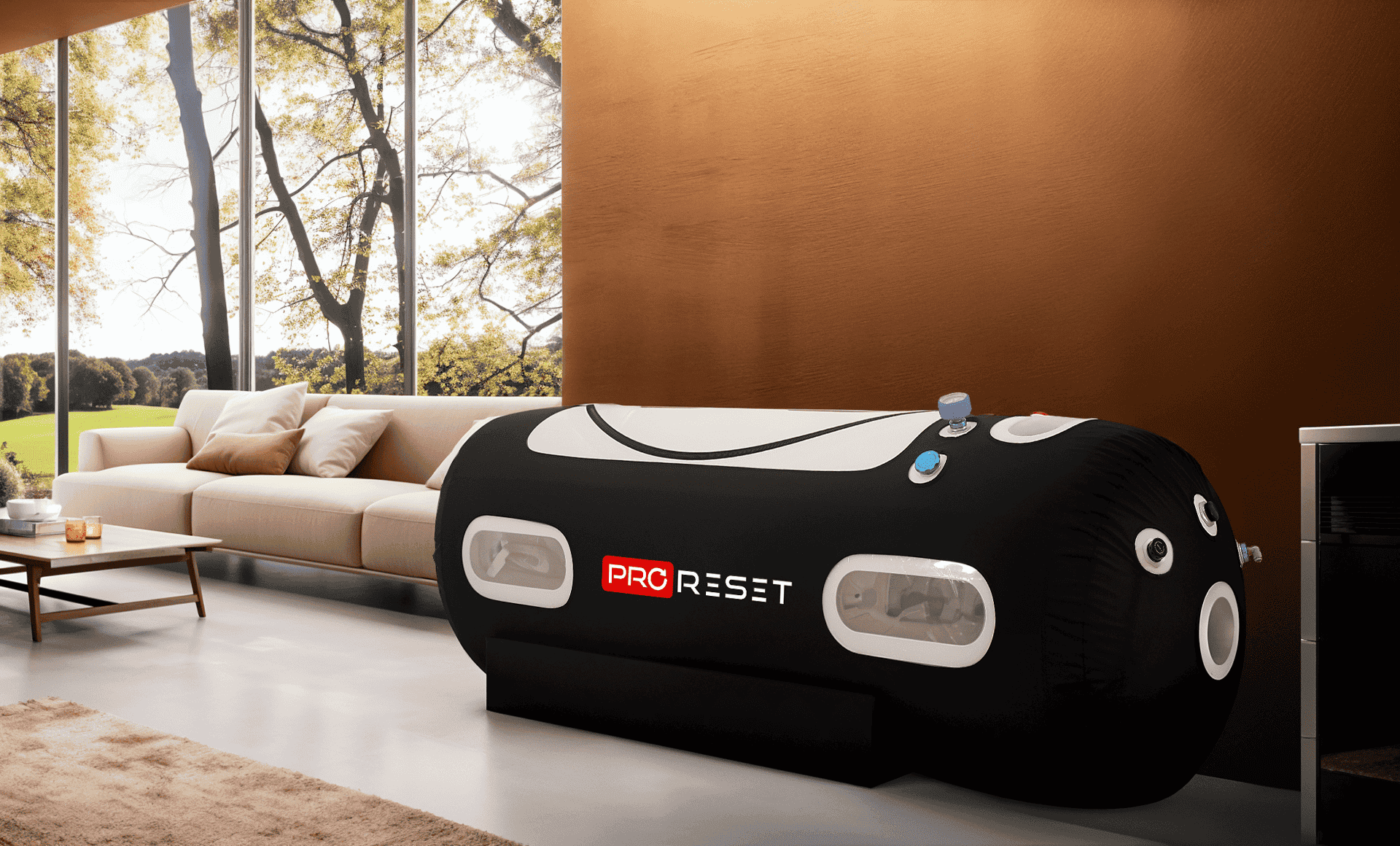
Unlike large clinical equipment, home recovery devices need to fit naturally into everyday environments. Installation and usability become just as important as performance.
People considering recovery technology for home often look at:
- available space in a bedroom or office
- quiet operation
- simple controls
- easy entry and exit
- minimal maintenance
Devices designed for home environments must balance professional functionality with a calm, unobtrusive presence.
The ProReset Flow 80/90 for Home Recovery
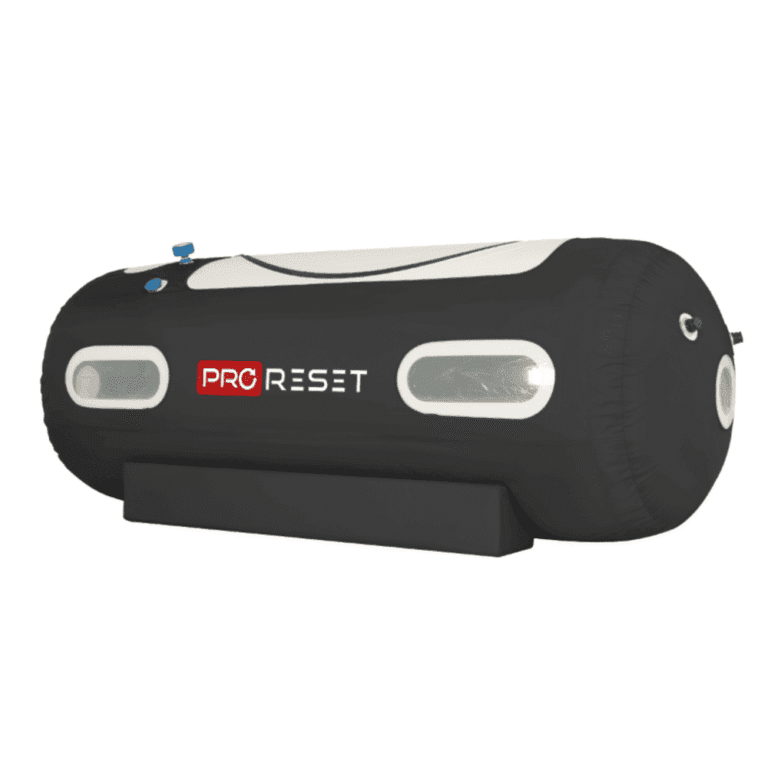
One example of recovery technology designed for both home and private practice environments is the ProReset Flow 80/90. The system supports gentle recovery sessions that can be integrated into a daily routine focused on relaxation and sleep preparation. Because the Flow 80/90 operates with controlled settings and intuitive operation, it works well in spaces where simplicity and comfort matter.
For many users, the Flow 80/90 becomes part of a daily reset ritual, something used in the evening to slow down the day and prepare the body for rest.
The design also considers practical factors that matter in a home setting:
- a compact footprint suitable for home installation
- quiet operation that fits into evening routines
- intuitive controls for gradual recovery sessions
- comfortable entry and exit for regular use
These details make it possible to use recovery technology consistently without turning the home into a clinical environment.
Learn more about the system here: https://proreset.com/product/proreset-flow-80-90/
Where People Install Home Recovery Systems
Home recovery technologies appear in a variety of personal spaces depending on lifestyle and available room.
Common placements include:
Home wellness rooms
Dedicated spaces where recovery tools, yoga, and stretching come together.
Bedrooms or sleep-preparation zones
Many people integrate recovery technology directly into their evening routine.
Private therapy or coaching offices
Practitioners sometimes install recovery systems in small wellness studios or consultation spaces.
The most important factors usually involve quiet operation, safe access, and sufficient space for comfortable use.
Creating a Simple Evening Recovery Routine
A home recovery practice works best when it feels natural rather than complicated. A typical evening flow might look like this:
- a short stretch or light movement after the workday.
- a gentle session using a recovery system like the Flow 80/90.
- a quiet transition into reading, breathing exercises, or meditation.
- reduced screen exposure before sleep.
Over time, this type of routine helps create a consistent signal for the body to shift into recovery mode.
Recovery as a Daily Habit
The real strength of home recovery tools lies in consistency. When recovery technologies become part of everyday life, they support small daily resets rather than occasional intense interventions.
Products like the ProReset Flow 80/90 are designed with this philosophy in mind: calm operation, gradual settings, and practical installation that fits naturally into home environments. For people exploring ways to support sleep, relaxation, and daily recovery, building a simple home routine often becomes the most sustainable place to start.
Note: Recovery routines and protocols described in this article are general examples of use. The frequency, duration, and method of using recovery equipment, including systems like ProReset Flow 80/90, should be determined individually and, where appropriate, guided by a qualified healthcare or wellness professional. This is especially relevant when integrating recovery technologies into daily routines or sleep-focused protocols.